Physical Address
304 North Cardinal St.
Dorchester Center, MA 02124
Physical Address
304 North Cardinal St.
Dorchester Center, MA 02124

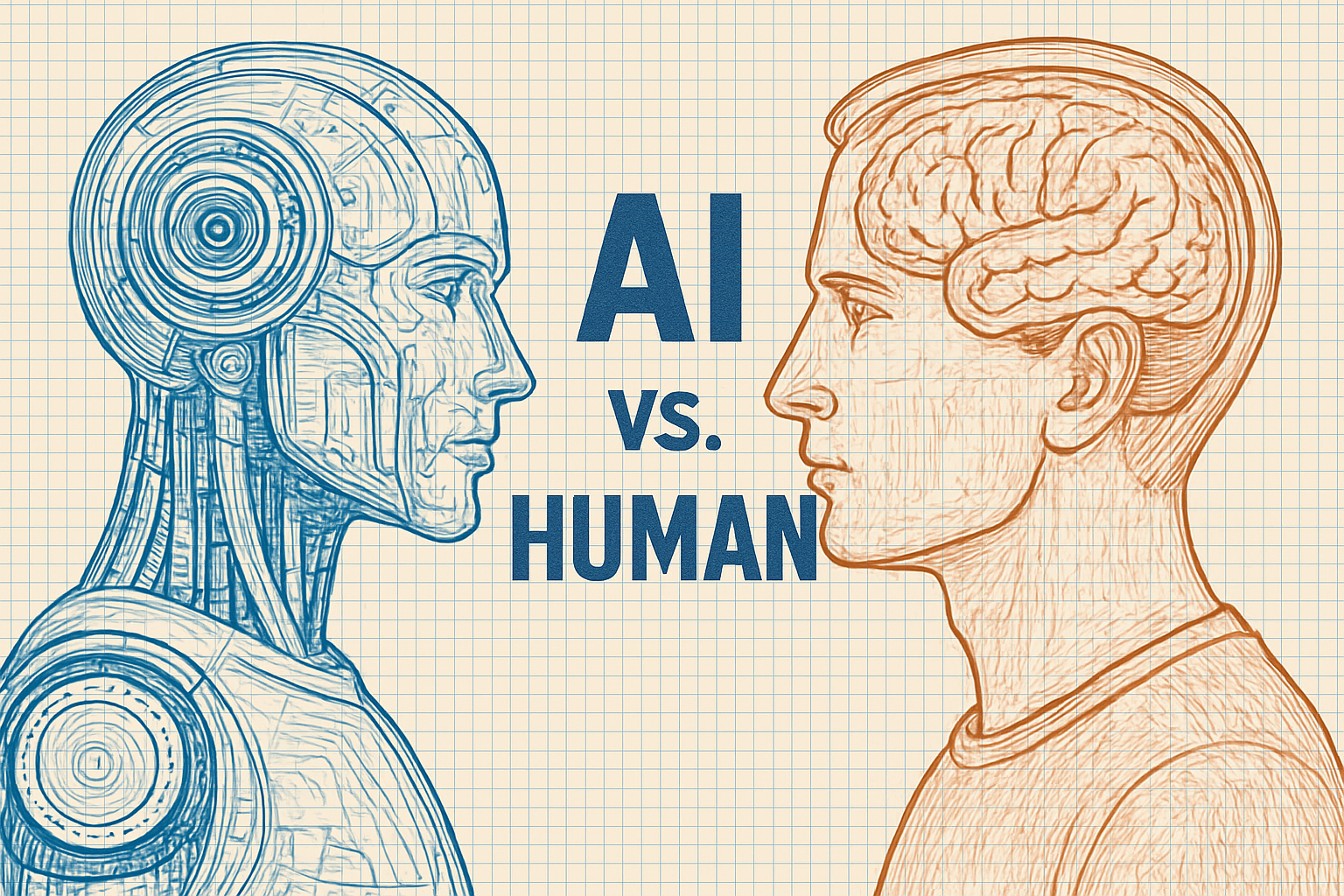
There’s no shortage of hype about Artificial Intelligence taking over the data center. From predictive cooling to automated ticketing, it feels like every vendor is promising a self-healing, self-driving facility. And yeah, AI can do a lot. But here’s the thing no one talks about enough:
What happens when the AI breaks?
Because it does break. And guess who’s still called in to fix it?
That’s right us!
The Illusion of Autonomy
I’ve worked on sites that had some pretty fancy AIOps platforms. These systems claim to detect anomalies, trigger preemptive responses, and keep operations humming without human intervention.
Until one day, a cooling unit failed.
The sensors were reading “optimal.” The alerting system stayed silent. But the room was heating up and the servers were screaming. The AI had failed to detect a basic fault because it didn’t “see” the failure pattern it was trained on.
That’s when I learned this lesson: AI needs humans to stay useful. It’s not plug and forget it’s train, maintain, and oversee.
Real-World AI Failures I’ve Seen
Let’s be honest, even the smartest AI isn’t infallible. Here are a few breakdowns I’ve personally dealt with:
Each of these moments reminded me that AI is only as good as the humans watching over it.
Where Humans Still Lead (And Will for a Long Time)
🔧 Physical Repairs
No AI can crawl into a subfloor or replace a fried PSU. When something burns out, it’s up to us to fix it fast.
🧠 Pattern Recognition Beyond the Data
AI looks for known anomalies. But what about when everything seems fine and something feels off? That sixth sense comes from years of experience not code.
🤝 Customer Communication
When clients want to know why their VM went down or why a rack lost power, they want a clear, human answer not a vague AI report.
🔄 Adapting to the Unexpected
Flooded CRAC unit? New power failover design? Emergency power down? Humans pivot. AI only adapts if we’ve already taught it how.
What’s Actually Changing in Our Roles
I’m not here to fearmonger. AI is making data centers more efficient. And yes, it’s taking over some of the routine stuff. But that frees us up to focus on higher-level tasks like:
In other words: we’re becoming supervisors of the AI, not its victims.
New Skills That Keep You Valuable in the AI Era
The Future: Co-Working With AI
Here’s my take: AI isn’t the enemy of data center techs it’s our teammate. But like any teammate, it needs oversight, guidance, and sometimes a reset.
The techs who thrive in the next 5–10 years won’t be the ones who resist change. They’ll be the ones who collaborate with AI, spot its blind spots, and add that human context AI just can’t replicate.
Final Thought
AI is smart but it’s not magic. It doesn’t replace experience. It doesn’t understand urgency. It doesn’t know the smell of a melting UPS or the feel of a hot rack in a cold room.
That’s why, even in the age of AI, data centers still run because people run them.
We’re still the fixers when things break. And until an algorithm can carry a toolkit and think like a human under pressure, that’s not changing.