Physical Address
304 North Cardinal St.
Dorchester Center, MA 02124
Physical Address
304 North Cardinal St.
Dorchester Center, MA 02124
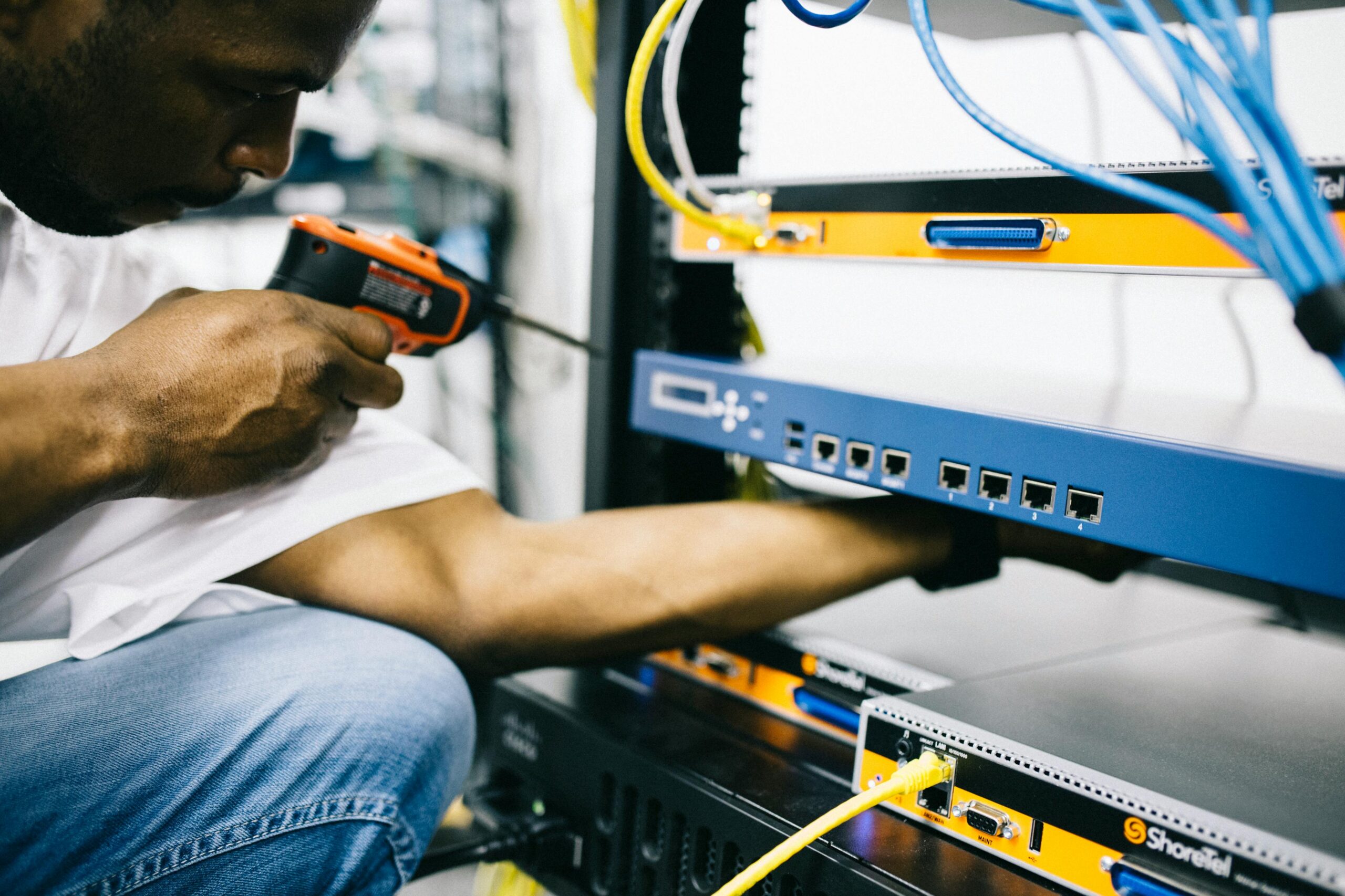
One thing I’ve learned working in data centers is this: your tools can make or break your day. Whether I’m crawling under a raised floor, tracing fiber, or troubleshooting a cooling unit, I’ve come to rely on a few essential tools that I simply don’t leave the floor without.
With 2025 in full swing and AI, edge computing, and power demands rising fast, the job is evolving but the fundamentals still matter. In this post, I’ll walk you through the top 5 tools every technician should know inside and out. Some are physical, some are digital, and all of them have saved me time and frustration more than once.
1. Thermal Imaging Camera (or IR Gun)
What it does: Detects hot spots, failing power supplies, and HVAC imbalances in real time.
I used to rely on my hand and a guess. Now I use a Fluke VT04 thermal imager. It gives me a visual heat map of power strips, server components, and even switchgear panels. This helps prevent major failures and keeps the cooling strategy tight.
Why it matters in 2025:
With higher rack densities and liquid cooling setups becoming more common, catching heat anomalies before they become failures is critical. AI can’t fix a burned out PDU, you can, if you spot it early enough.

2. Fiber Optic Inspection & Cleaning Kit
What it does: Inspects and cleans fiber ports, ends, and transceivers.
If you’ve ever had a mysterious connection issue on an otherwise solid network, there’s a good chance dust was the culprit. I use a VIAVI fiber inspection probe and Cletop cleaners to verify and clean before I even plug in a jumper.
Why it matters in 2025:
Data centers are scaling bandwidth fast. 100G+ and dense fiber connections mean the margin for error is razor-thin. A dirty fiber end can knock out a whole node.
3. Cable Tester + Tone Generator
What it does: Tests and traces copper cabling Ethernet, console, and power.
I’ve used this combo to track down mislabeled drops, troubleshoot console ports, and verify smart PDU runs. My favorite is the Fluke LinkIQ because it gives clear pass/fail results and maps out issues fast.
Why it matters in 2025:
Even with all the wireless management we’re seeing, physical cabling isn’t going anywhere especially in critical environments. Knowing how to quickly find, test, and validate a cable connection is still an A+ skill.
4. DCIM or Remote Hands Software
What it does: Helps monitor infrastructure health and access remote consoles or sensors.
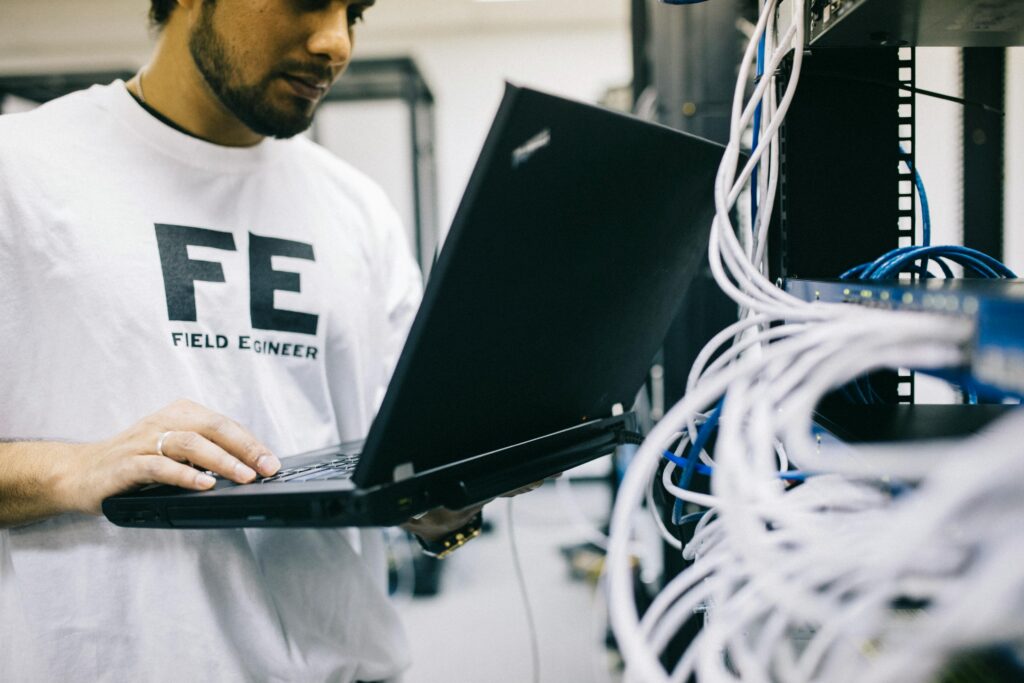
Gone are the days of walking rows to eyeball everything. I regularly use Schneider EcoStruxure and Sunbird DCIM to check temperatures, power usage, and alerts all before I even grab a wrench. It’s not a physical tool, but it’s essential.
Why it matters in 2025:
Remote management is now a baseline. Whether you’re onsite or supporting hybrid locations, you need to know your site’s DCIM system like the back of your hand. It’s also becoming more AI-integrated by the month.
5. Documentation & Asset Tracking App
What it does: Lets you scan QR codes, log assets, and document installs or changes.
I used to track everything on spreadsheets. Now I use mobile tools like Device42 and ServiceNow CMDB mobile to scan assets, check tickets, and upload photos. Onboarding a new server? I can document it in real time, straight from my phone.
Why it matters in 2025:
Speed and accuracy matter. When you’re juggling installs, troubleshooting, and move/add/change requests, you need documentation tools that work on the fly. These apps help keep the chaos under control and keep you looking professional.
Bonus: Everyday Carry (EDC) Gear That Still Rules
Not everything is high-tech. My tool pouch still carries:
And let’s be real comfortable work boots with good support are probably the most important tool of all.
Final Thoughts: Tools Change, But Mastery Is Timeless
Here’s the thing: you don’t need every tool in the catalog. But the best technicians I know are the ones who know their gear inside and out, and can solve problems fast using the right tool at the right time.
2025 is pushing the data center world faster than ever with AI, power demands, edge computing, and hybrid setups. But it’s still a hands-on job. Tools like these won’t just make your life easier they’ll help you stand out.
So build your toolkit, stay sharp, and always keep learning.
Coming up next in this series:
🌐 Why Edge Data Centers Are the Future (And What That Means for Us Techs) — stay tuned!