Physical Address
304 North Cardinal St.
Dorchester Center, MA 02124
Physical Address
304 North Cardinal St.
Dorchester Center, MA 02124

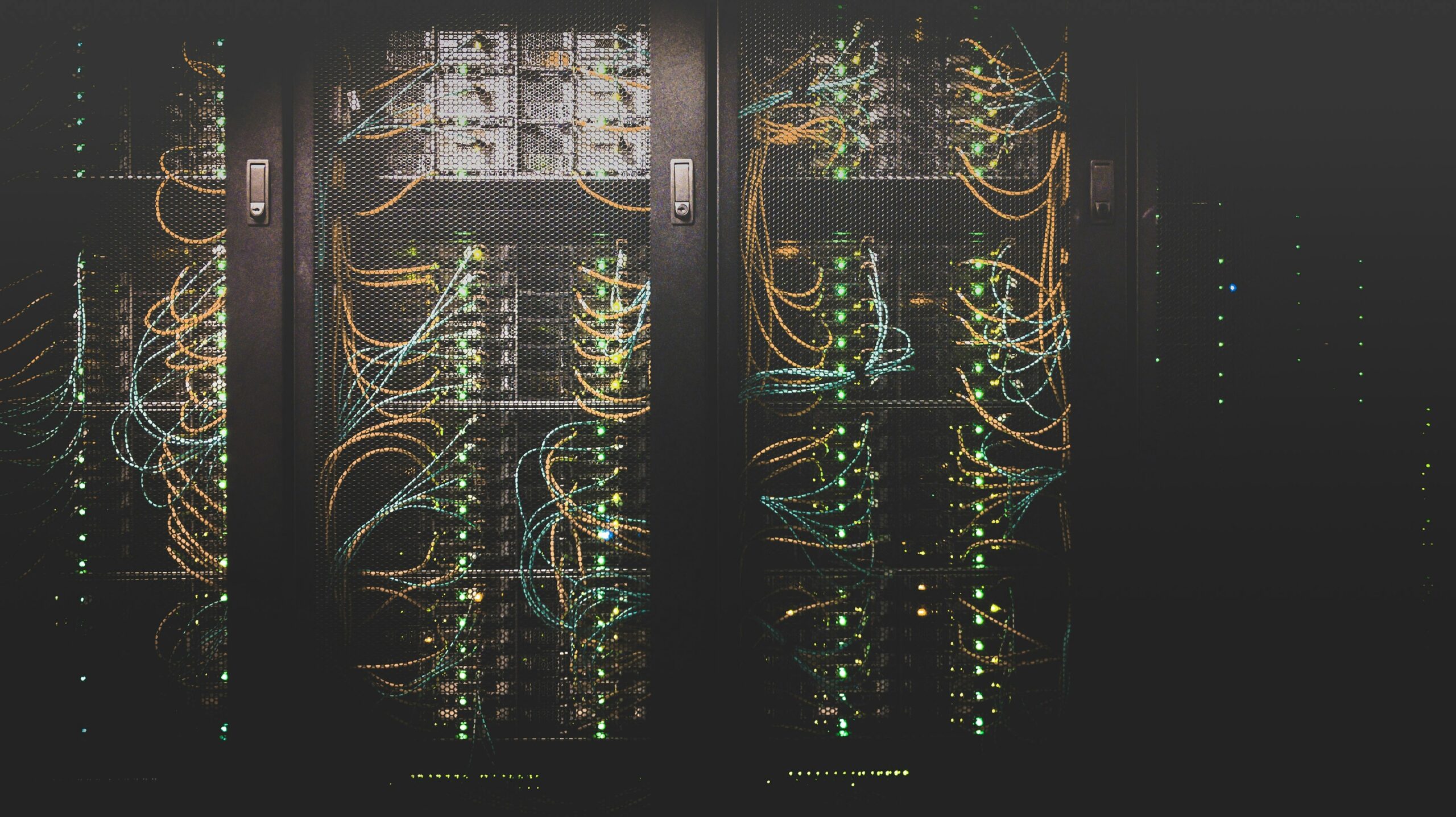
Not long ago, most of my work was inside large, centralized data centers massive, humming buildings in remote locations. But that’s starting to change. More and more, I’m getting called to edge sites: smaller data centers built closer to users and devices.
Whether it’s a box in the back of a smart factory, a room next to a 5G tower, or a mini pod tucked inside a city block, these “edge” data centers are popping up everywhere. And they’re not just a trend they’re the future.
Let me break down why edge data centers are booming and what that means for technicians like you and me.
What Is an Edge Data Center, Anyway?
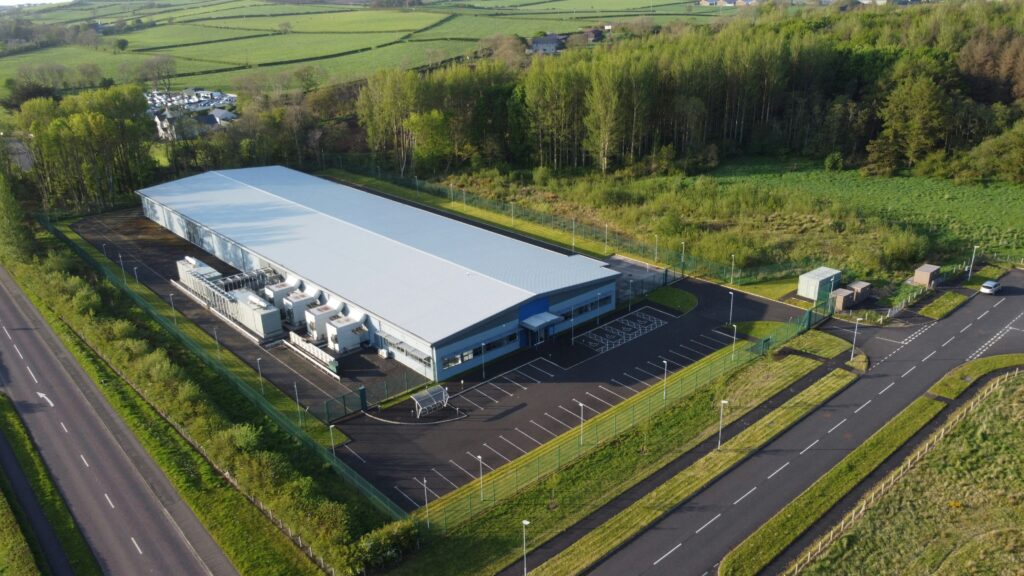
Let’s keep it simple. An edge data center is a small, localized facility that stores and processes data close to where it’s generated like near a warehouse, retail store, or smart grid hub.
Instead of relying on a big central data center hundreds of miles away, companies are now building micro data centers near the “edge” of their networks to reduce latency and speed up processing.
Think:
These things don’t have time to wait for round-trip signals to a hyperscale facility. They need local muscle and that’s where edge centers come in.
Why Edge Is Growing So Fast
1. Latency Is a Deal Breaker
5G, AR/VR, AI, and IoT all demand faster speeds. Sending data to a central facility miles away can take too long. Edge cuts latency by keeping processing nearby.
2. AI Is Hungry for Local Power
Even with cloud-based training, AI inference (running the model) often happens at the edge especially for devices like drones, traffic cams, or wearable tech.
3. Decentralization = Resilience
Disasters, outages, or congestion in one region? Edge sites can keep services running locally. It’s a form of digital redundancy.
4. Cost and Scalability
Instead of building giant new campuses, companies can scale by adding smaller edge nodes where they need them. More flexible, less up front investment.
What This Means for Us Technicians
Here’s where it gets interesting. Working at the edge is very different from working at a traditional hyperscale site.
👉 Smaller Teams, Bigger Responsibility
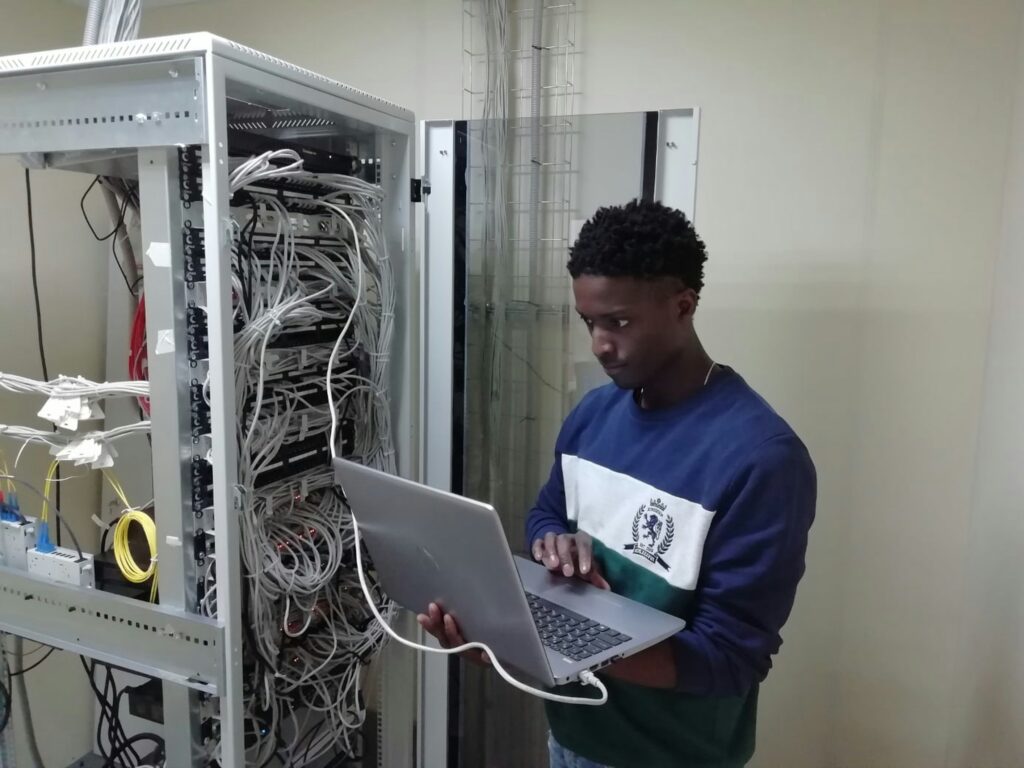
You might be the only tech for miles. That means you’re the cable runner, HVAC troubleshooter, power tester, and documentation expert all in one.
👉 Broader Skill Sets
You’ll need to know a little about everything: networking, physical installs, remote monitoring, even light programming or scripting.
👉 Faster Turnaround Times
Edge sites serve time-sensitive applications. Downtime = real damage. That means tighter SLAs, faster escalations, and smarter triage.
👉 More Autonomy (and Opportunity)
You won’t have layers of management or multiple departments on-site. It’s often just you, your tools, and a support line. It’s high-responsibility, but also high trust and a great way to grow fast.
Skills That Will Set You Apart in the Edge Era
The Big Opportunity
Edge data centers aren’t just a tech trend they’re a career growth opportunity. Hyperscale sites are awesome, but they’re often siloed. Edge work throws you into the deep end but if you’re skilled, curious, and self-driven, you’ll shine.
This shift means:
My Advice for New (or Transitioning) Techs
Final Take
Edge is where the future is being built closer to users, smarter, and faster than ever. And while AI may power a lot of the back end, it’s still up to technicians like us to keep it all running.
If you want a job that keeps you moving, teaches you something new every day, and puts you at the center of where tech meets the real world, edge work is where it’s at.
And I, for one, am all in.
Coming up next in this series:
📡 AI vs Humans: Who Fixes It When It Breaks? — coming soon!