Physical Address
304 North Cardinal St.
Dorchester Center, MA 02124
Physical Address
304 North Cardinal St.
Dorchester Center, MA 02124
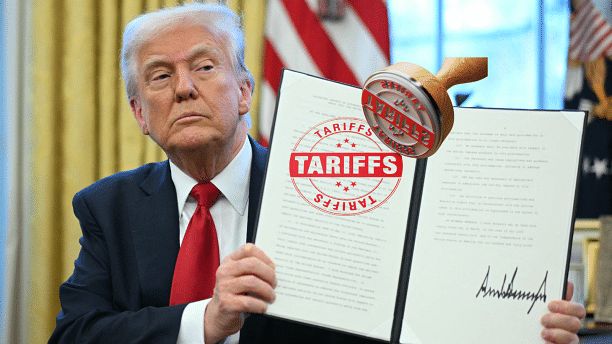
Here’s a fresh take from my experience in the trenches of data centers on how the current U.S.–China tariffs are reshaping our world. I write this as a data center technician with five years on the job so I’ve got my boots dirty in racks and cables, and I see the ripple effects day in and day out.
What’s Happening with the Tariffs?
Over the past months, the U.S. slapped on sweeping tariffs starting with a 10% jump on Chinese imports in February, doubling to 20% by March, and peaking at around 145% on some Chinese goods. China countered with its own, hitting back with duties up to 125% (datacenterknowledge.com).
Big tech did get a bit of relief: consumer electronics like smartphones and memory chips were partially exempted. But hardware used in data centers? Still mostly tariffed (businessinsider.com).
Why This Matters to Data Centers
1. Hardware Costs Are Rising 📈
Data centers depend on servers, GPUs, cooling units, power distribution modules all often made or assembled in China. Even if the main chips are exempt, they’re shipped inside fully built servers, so tariffs still hit the full package (time.com). Analysts estimate these extra duties could add billions annually Bloomberg reported an $11 billion hike in infrastructure costs (businessinsider.com).
2. Supply Chain Disruptions
My world thrives on just-in-time delivery. With tariffs changing fast and manufacturers shifting assembly to Taiwan, Vietnam, or Mexico, lead times are ballooning. Bloomberg noted manufacturers are “reconsidering reliance on China,” slowing production even before tariff relief kicks in (datacenterknowledge.com).
3. Project Delays and Investor Hesitation
Some projects like the massive SoftBank OpenAI “Stargate” AI data center rollout have stalled. Investors fear a 5–15% jump in construction costs tied to tariffs (ft.com). That trickles down to slowed installations, delayed power hookups, even postponed cooling system upgrades all things I’ve seen first-hand drain momentum in builds.
What I’m Seeing On the Ground
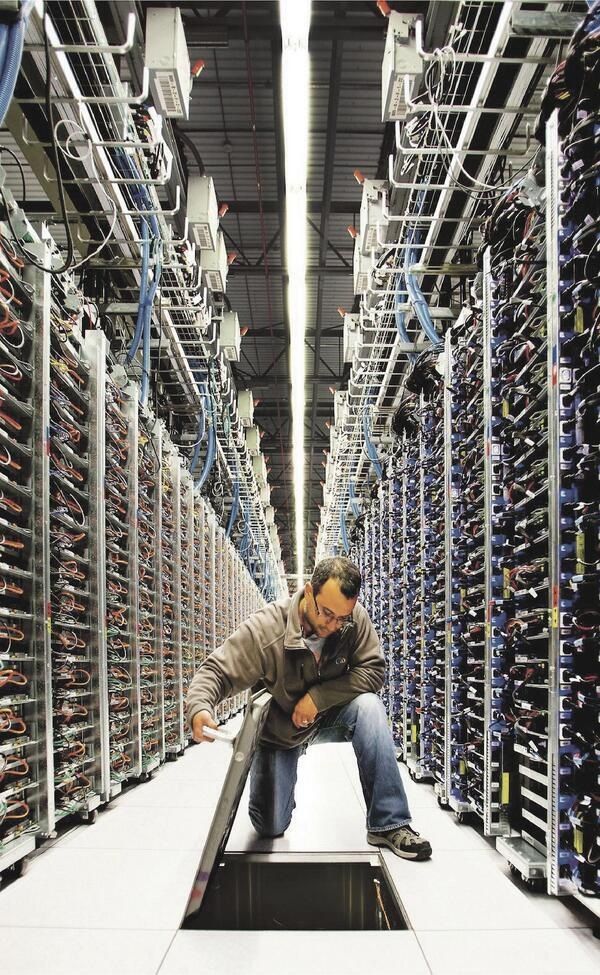
What This Could Mean
Why You Should Care
If you’re a CTO, CIO, or just running workloads, expect changes:
Bottom Line
From where I stand in data halls and wiring closets, these tariffs are not abstract policy—they’re adding weeks and tens of percent to data center costs. That delays capacity growth and makes planning harder. Some relief is possible if global negotiations land, but don’t count on it—tariffs move fast, and supply chains adapt slowly.
In my job, I’m advising teams to order early, lock in equipment now, and build buffer zones into project schedules. Diversify your supplier base and don’t rely on just one country’s factories.
These big-picture moves from political trade decisions to real cables in the ceiling affect us all in the industry. I’ll keep tracking how builders, operators, and cloud providers adjust as new tariffs or relief deals come in.
Stay tuned for updates from the frontline of data centers.